
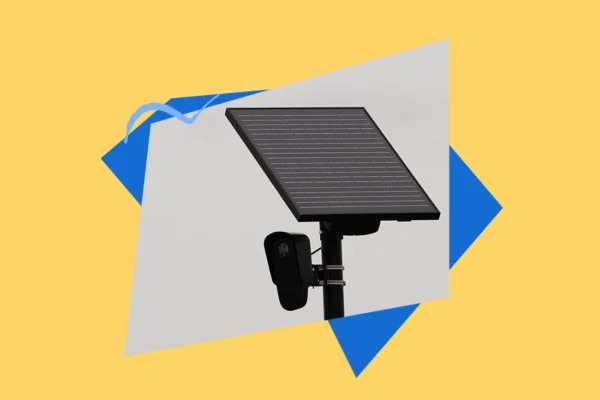
The ACLU of Rhode Island today released a thorough analysis of the state’s proposed model policy to regulate automated license plate reader (ALPR) cameras in Rhode Island, making clear that the model policy does not go far enough to protect the data and privacy rights of Rhode Islanders. Suggesting edits to more than a dozen aspects of the policy, the eight-page analysis says the policy requires “significant revision” before it should be considered by municipalities or by the General Assembly for implementation.
The model policy, released last month, emanated from Governor McKee’s pause of all Flock Safety camera installations by Rhode Island State Police. The Governor instructed a group of stakeholders to generate a model policy, including the RI State Police, the Police Chiefs Association, and the League of Cities and Towns. The ACLU of RI was quick to point out that no members of the public or civil rights organizations had any input on the group’s deliberations, instead leaving the writing of proposed rules to the same people advocating for and using the ALPR technology.
The civil liberties watchdog’s analysis is split into two parts. The first highlights five “broad and fundamental concerns” the ACLU of RI has with the proposed policy, followed by four sections addressing “Vagueness, Access, Enforcement, and Transparency and Use.”
The “fundamental concerns” with the proposed policy include that it:
- Allows for an extremely wide range of uses for ALPR-collected data by broadly defining the acceptable uses, including open-ended goals like “the prevention of crime”;
- Oversimplifies the scope of the data that ALPR cameras collect and fails to acknowledge or limit their ability to photograph drivers or track bumper stickers, to give two examples;
- Allows data to be kept for 30 days instead of Flock Safety’s own more narrow policy of seven days, and authorizes potentially indefinite maintenance of the data as part of an undefined “investigation”;
- Potentially allows officers who have misused the system to retain access privileges, and relies on state law to provide consequences for misuse even though there is no state law governing the technology; and
- Fails to further constrain this surveillance technology from expanded uses in the future that have been promoted by Flock Safety, such as recording sounds or engaging in driving-behavior prediction analysis.
The ACLU of RI analysis offers nearly 20 other changes and suggestions to strengthen the policy’s privacy protections for everyday Rhode Islanders. The letter notes that the ACLU of RI takes “at face value” the effort by the Governor and police to create a meaningful policy to regulate ALPRs, and expresses hope that the “comments will prompt recognition of the need for a much stronger policy for those municipalities and police forces that choose to continue to make use of this intrusive surveillance technology.”
Legislation to regulate this technology has been submitted to the General Assembly since 2022, but the legislation consistently has died in committee after pushback from law enforcement agencies.
Madalyn McGunagle, ACLU of RI policy associate, said today, “It’s critical that any bill that goes before the state legislature is not only robust in its protection of Rhode Islanders’ privacy, but fully incorporates the input of the public, and not just the opinions of law enforcement officers as this policy appears to do.”
A copy of the analysis, which was sent to the drafters of the model policy, can be found here. More information about ALPRs and Flock Safety in Rhode Island can be found here.
